
.png)
Understanding Tyre Pressure Maintenance for Safety and Longevity Across All Vehicle Types
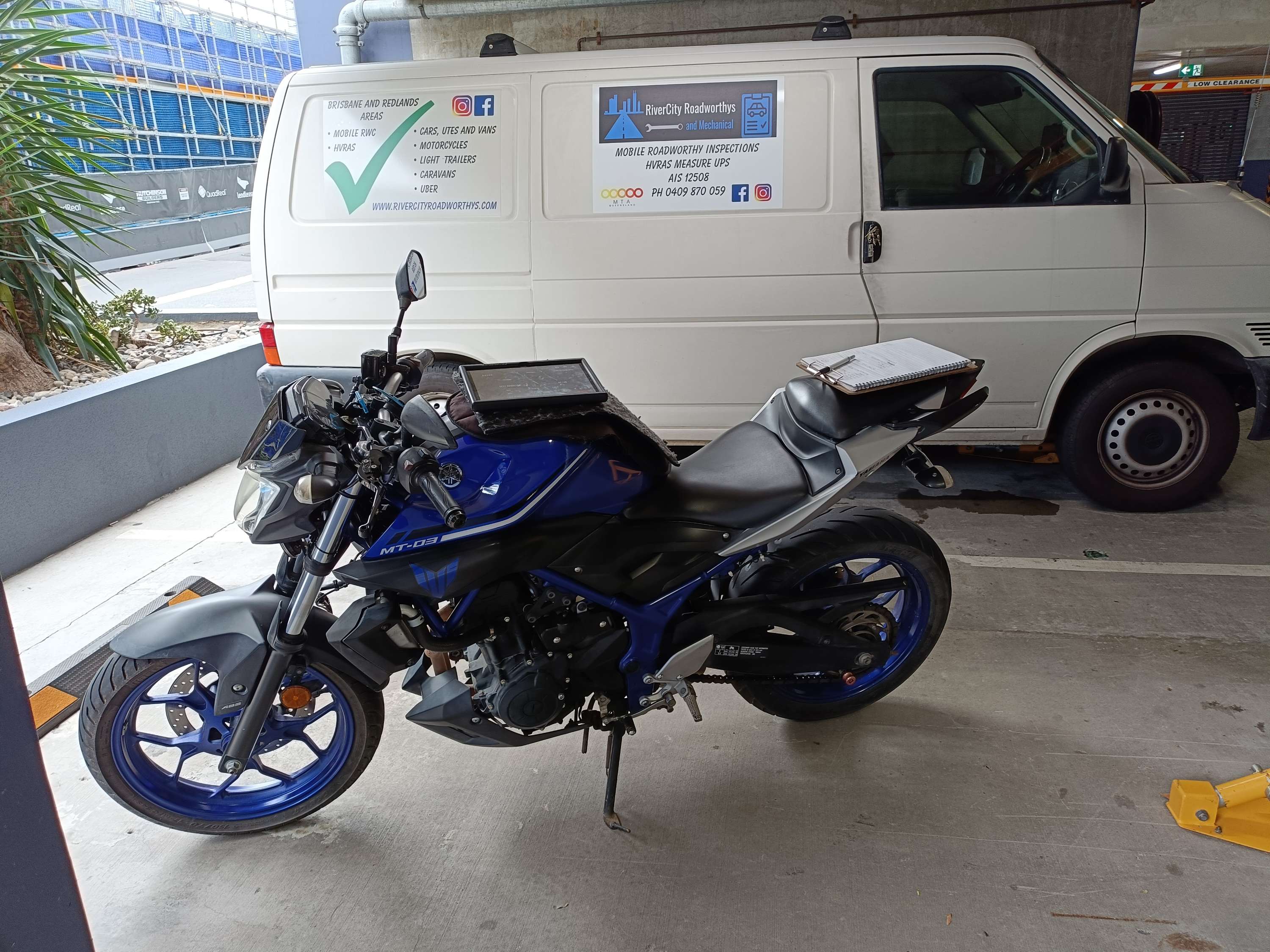
Maintaining the correct tyre pressure is one of the simplest yet most effective ways to extend tyre life and ensure safety on the road. Whether you drive a car, ride a motorcycle or scooter, or tow a trailer, keeping tyres properly inflated prevents uneven wear, reduces the risk of accidents, and helps meet roadworthy standards. This post explains why tyre pressure matters, the common types of tyre wear caused by incorrect inflation, and how these factors relate to safety and legal requirements.

Why Tyre Pressure Matters for All Vehicles
Tyres are the only contact point between your vehicle and the road. Proper inflation ensures the tyre tread wears evenly and the vehicle handles as designed. Underinflated tyres have more contact with the road surface, causing excessive heat buildup and increased wear on the outer edges. Overinflated tyres reduce the contact patch, leading to faster wear in the centre of the tread and a harsher ride.
For motorcycles and scooters, tyre pressure is even more critical because these vehicles rely heavily on tyre grip and balance. Incorrect pressure can affect cornering stability and braking performance. Trailer tyres also require careful monitoring since trailers often carry heavy loads, and improper inflation can cause tyre failure or sway.
Common Types of Tyre Wear and Their Causes
Understanding how tyre pressure affects wear patterns helps identify problems early and avoid costly replacements.
Edge Wear
Caused by underinflation, edge wear appears as excessive tread wear on both outer edges of the tyre. This happens because the tyre’s sidewalls flex more, increasing heat and stress.
Centre Wear
Overinflated tyres wear faster in the middle of the tread. The tyre bulges in the centre, reducing the contact area and causing uneven pressure distribution.
Cupping or Scalloping
This irregular wear pattern looks like dips or scallops on the tread surface. It can result from suspension issues but is worsened by incorrect tyre pressure.
One-Sided Wear
Often caused by misalignment or uneven tyre pressure between tyres on the same axle, this wear affects only one side of the tyre.
Regularly checking and adjusting tyre pressure prevents these wear types and improves fuel efficiency, handling, and safety.
Safety Risks Linked to Incorrect Tyre Pressure
Driving with incorrect tyre pressure increases the risk of tyre blowouts, longer stopping distances, and poor vehicle control. Underinflated tyres heat up faster, which can cause sudden tyre failure, especially at high speeds or on hot roads. Overinflated tyres are more prone to damage from road hazards like potholes and debris.
For motorcycles and scooters, the margin for error is smaller. Incorrect pressure can lead to loss of traction during cornering or braking, increasing the chance of accidents. Trailer tyres underinflated or overloaded can cause sway, making towing dangerous.
Roadworthy Requirements for Tyres
In many regions, vehicles must meet roadworthy standards that include tyre condition and tread depth. These rules apply to all vehicle types, including motorcycles, scooters, and trailers.
Minimum Tread Depth
Most places require a minimum tread depth of 1.5 mm for passenger vehicles and motorcycles. Trailers may have similar or slightly different requirements depending on local laws.
Tyre Condition
Tyres must be free from cuts, bulges, or other damage that could compromise safety. Excessive or uneven wear can cause a vehicle to fail inspection.
Maintaining correct tyre pressure helps keep tread wear even and within legal limits, reducing the chance of failing a roadworthy test.

Tips for Maintaining Tyre Pressure Across Vehicle Types
Check Pressure Monthly
Use a reliable tyre pressure gauge to check tyres when cold. Tyres heat up during driving, which can give inaccurate readings.
Follow Manufacturer Recommendations
Vehicle manuals provide recommended tyre pressures for different loads and conditions. For trailers, check the tyre sidewall and trailer manual.
Adjust for Load and Conditions
Increase tyre pressure slightly when carrying heavy loads or towing. For motorcycles, adjust pressure based on riding style and road conditions.
Inspect Tyres Regularly
Look for signs of uneven wear, cracks, or bulges. Replace tyres that show damage or have tread below the legal limit.
Don’t Forget the Spare
Keep the spare tyre inflated to the correct pressure to avoid surprises during emergencies.
The Role of Tyre Pressure in Fuel Efficiency and Environment
Properly inflated tyres reduce rolling resistance, which means your engine uses less fuel. This applies to all vehicles, including scooters and trailers. Lower fuel consumption means fewer emissions, contributing to environmental protection.
Summary
Maintaining correct tyre pressure is essential for safety, tyre longevity, and meeting roadworthy standards. It prevents common wear patterns like edge and centre wear, reduces the risk of accidents, and helps your vehicle perform at its best. Whether you drive a car, ride a motorcycle or scooter, or tow a trailer, regular tyre pressure checks and adjustments are a simple step that makes a big difference.


Comments