
.png)
Windscreen Damage Rules for Queensland Roadworthy Inspections (Complete Guide)
A windscreen isn’t just a sheet of glass—under Queensland roadworthy standards, it forms part of the safety structure of the vehicle. During a Safety Certificate inspection, the inspector must confirm that the windscreen, wipers and washers allow the driver a clear, undistorted view of the road ahead.
If your windscreen has chips or cracks, this guide explains what size damage may still pass, what causes failures, and how to avoid delays in getting your certificate.

What Law Applies in Queensland?
Queensland inspectors follow the Queensland Light Vehicle Inspection Manual.This manual sets measurable limits on windscreen damage including:
the size of chips
the maximum length of cracks
whether damage crosses both layers of laminated glass
whether the damage sits in the driver’s critical vision zone
The key principle is simple: no windscreen damage may interfere with safe forward vision.
How Big Can Chips Be and Still Pass?
In the swept path of the wipers, a small chip may be allowed to remain only if it is:
a bull’s-eye, star or similar chip
no larger than about 16 mm in diameter
not distorting the driver’s forward vision
not penetrating more than one layer of laminated glass
It does not have the potential to damage the wiper blades
If a chip is bigger than a 10-cent coin, it may already be borderline.

How Long Can Cracks Be and Still Pass?
Some cracks are permitted, but only in controlled conditions. A crack:
may be up to approximately 150 mm long
must not penetrate both glass layers
must not cause distortion or distraction
must not sit directly in the driver’s main line of sight
Even if a crack meets these measurements, it can still fail if it affects wiper performance or creates glare/reflection.

The “Primary Vision Area” – The Most Important Rule
Damage in the driver’s primary vision area is treated more strictly.This is generally the part of the windscreen directly in front of the driver, within the wiper-swept zone.
If damage in this area:
obstructs vision
refracts light
causes halos at night
distracts the driver
…it will almost always fail, even if the size meets guidelines.
When Windscreen Damage Will Fail Automatically
Expect a fail if any of these apply:
A crack goes through both laminated layers
A chip or crack blocks forward vision
Cracks or chips sit directly in the main driver sightline
Multiple small chips combine to distort the view - three is usually the maximum
Any repair has been done poorly and still distorts vision
The windscreen has major scratches from worn wipers
A crack continues to grow after temperature or vibration changes
A windscreen may also fail if water leaks due to damage around the seal.
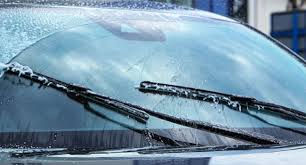
Windscreen Wipers – Roadworthy Rules
Wipers must:
operate over the correct swept area
clear water effectively
be free from splits, missing sections or hardened rubber
not scrape the glass due to metal-on-glass contact
If the wipers leave streaks, skip sections, or chatter heavily, the inspector may require replacement.
Washer Bottle – Roadworthy Rules
The washer system must:
contain fluid
pump properly when activated
spray onto the windscreen effectively
If the bottle is empty, the pump is dead, or the jets are blocked, it will fail.
Examples of Passing vs Failing Damage
Example 1 – Small Chip, Off-Centre, Single Layer
A bull’s-eye chip the size of your pinky fingernail, on passenger side, repaired and smooth:
✅ Likely to pass
Example 2 – Long Crack but Outside Vision
A 120 mm crack low on the passenger side, not spreading and only one glass layer:⚠️ May pass, depending on distortion
Example 3 – Short Chip Directly in Line of Sight
A 10 mm chip at eye-level in the swept area:
❌ Likely to fail due to distraction
Example 4 – Repair Marks Causing Distortion
Chip repaired poorly causing light scatter:
❌ Fail – vision interference
Example 5 – Wipers Smearing Water
Wipers skipping, torn rubber:
❌ Fail – wipers must clear glass effectively
Recommended Repairs Before Your Roadworthy
To avoid delays:
Repair stone chips early—before they turn into cracks
Replace worn wiper blades
Fill washer bottle and test jets
Consider replacing pitted or sand-blasted windscreens
Even if some damage is technically legal, safety improves when the glass is clear and distortion-free.
Final Word
A clean windscreen, working wipers and a full washer bottle will save time, prevent delays, and help your vehicle pass its Safety Certificate inspection safely.
Rivercity Roadworthys and Mechanical: https://www.rivercityroadworthys.com


Comments