
.png)
Caravan & Camper Trailer Roadworthy Certificates in Queensland
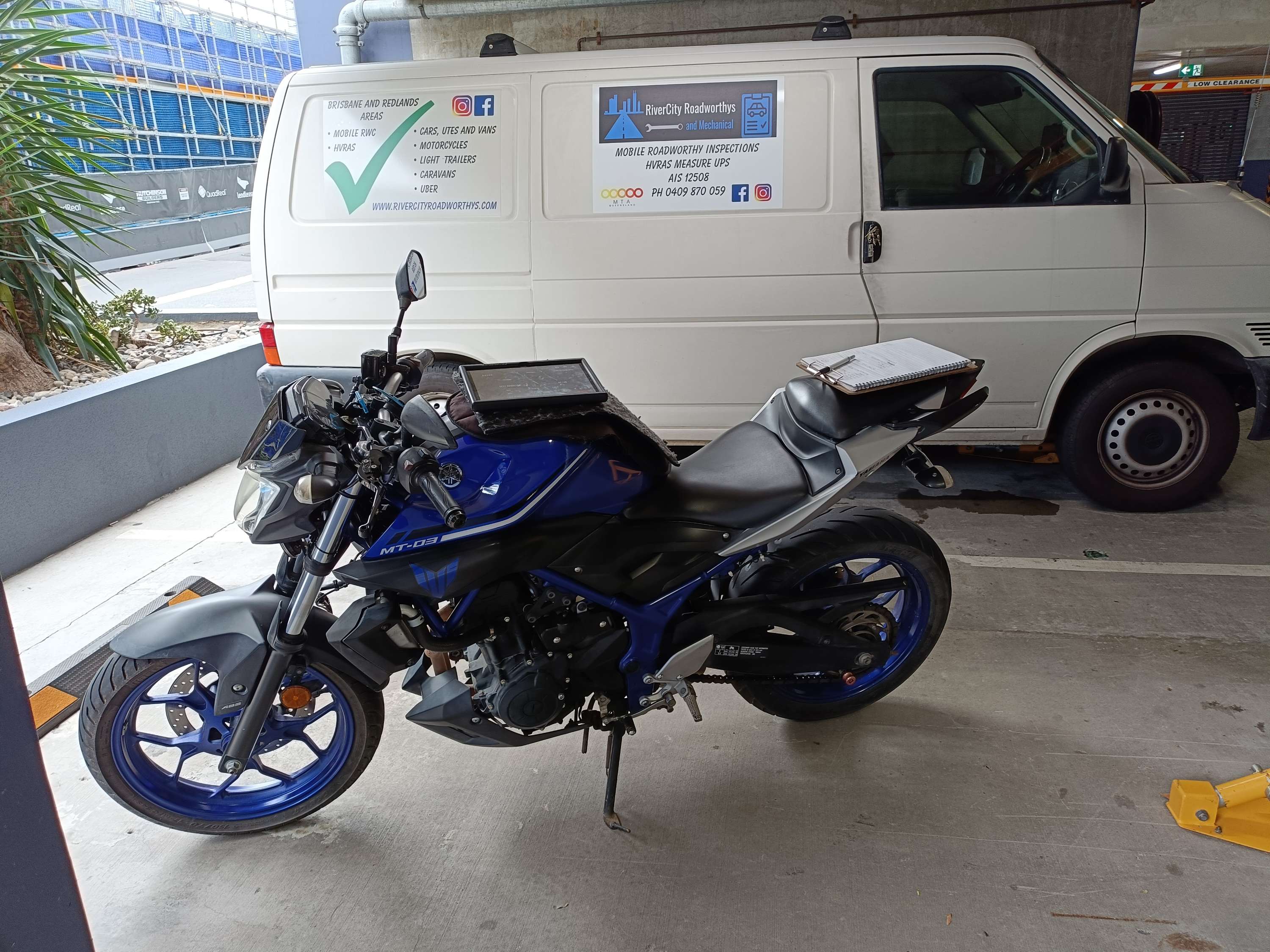
When selling, transferring, or re-registering a caravan or camper trailer in Queensland, obtaining a roadworthy certificate is a must. This certificate confirms that the vehicle meets safety standards and is fit for use on public roads. Without it, you cannot legally complete these transactions. Understanding the requirements and common issues can save time, money, and hassle.

Why You Need a Roadworthy Certificate
Queensland law requires a roadworthy certificate for caravans and camper trailers when:
Selling the vehicle to a new owner
Transferring registration between Owners, States or Territories
Re-registering after registration has expired or been cancelled
This certificate ensures the caravan or camper trailer is safe to tow and use on roads. It protects buyers and sellers by confirming the vehicle meets minimum safety standards.
Please note that if you are transferring your registration for a camper trailer or caravan from another State or Territory, you must have a HVRAS Measure Up along with your Roadworthy. This also applies to Caravans and Campers that have been unregistered in Queensland for more that 3 months.
(Rivercity Roadworthys can carry out both prosesses at the same time if required).
What Inspectors Check
The inspection covers several critical components to confirm roadworthiness. Here’s what inspectors typically examine:
Tyres: Condition, tread depth, and correct pressure
Brakes: Functionality and responsiveness of braking system
Lights: All lights must work, including indicators, brake lights, and tail lights
Suspension: Check for wear or damage affecting stability
Coupling and Safety Chains: Secure attachment points and chains must be intact and functional
Structural Integrity: No major cracks, damage, or weaknesses in the body or frame
Chassis Rust: Rust can weaken the frame and cause safety risks
Inspectors use a detailed checklist to ensure every aspect meets Queensland’s safety standards.
Common Failures to Watch For
Many caravans and camper trailers fail their roadworthy inspections due to avoidable issues. Knowing these common problems helps owners prepare:
Broken or Non-Working Lights: Bulbs blown, wiring damaged, or connectors corroded
Faulty Brakes: Worn brake pads, leaking brake fluid, or malfunctioning brake controllers
Rust on Chassis or Frame: Surface rust is common but deep rust that compromises strength is a fail
Loose or Damaged Couplings: Coupling devices or safety chains that don’t secure properly
Fixing these issues before inspection can prevent delays and extra costs.

Benefits of Mobile Inspections
Mobile roadworthy inspections have become popular in Queensland. Instead of towing your caravan or camper trailer to a workshop, a qualified inspector comes to your location. This option offers several advantages:
Saves Time: No need to arrange transport or drive the trailer to a service centre
Avoids Towing Risks: Towing a faulty trailer can be dangerous and cause further damage
Convenient Scheduling: Inspections can be booked at your home or storage site
Mobile inspections provide a practical, stress-free way to get your roadworthy certificate.
Preparing for Your Inspection
To increase the chance of passing your inspection on the first try, take these steps:
Check all lights and replace any faulty bulbs
Inspect tyres for wear and inflate to the correct pressure
Test brakes and have worn parts repaired or replaced
Examine the chassis and frame for rust or damage
Ensure couplings and safety chains are secure and in good condition
If you’re unsure about any part, a pre-inspection by a mechanic can help identify problems early. Complete Guide to Roadworthy Certificates in QLD


Comments