
.png)
The Importance of Regular Vehicle Servicing for a Successful Roadworthy Inspection
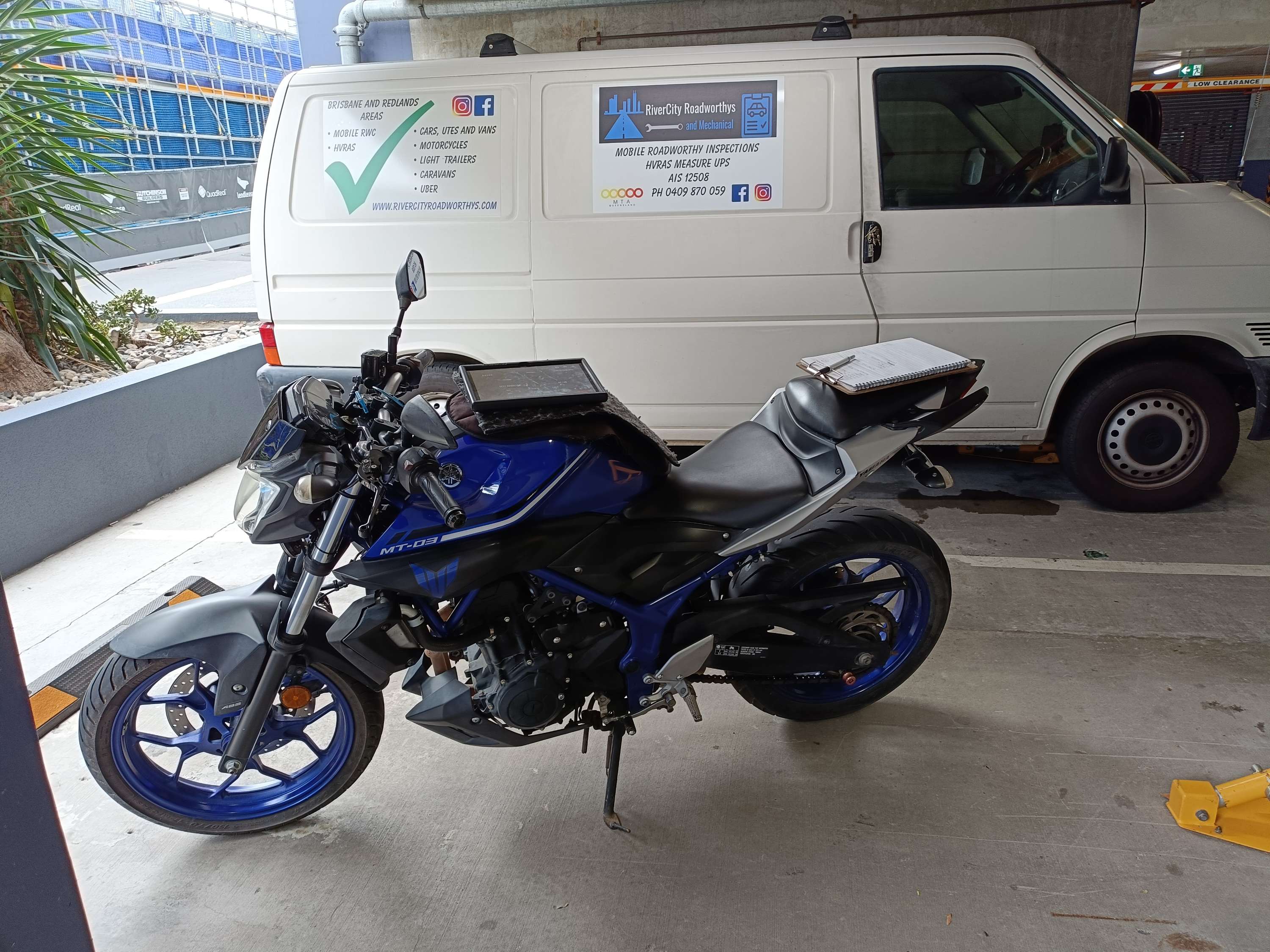
Keeping your vehicle in top condition is more than just a matter of convenience. Regular servicing and maintenance play a crucial role in ensuring your car runs safely and efficiently. One of the key benefits of staying on top of vehicle upkeep is increasing your chances of passing your Roadworthy Inspection on the first try. This article explains why regular servicing matters and how it directly impacts your vehicle’s readiness for inspection.

Why Regular Servicing Matters
Vehicles are complex machines with many parts that wear down over time. Regular servicing helps identify and fix issues before they become serious problems. This proactive approach prevents breakdowns, improves fuel efficiency, and extends the life of your car.
During a service, mechanics check essential components such as brakes, tires, lights, suspension, and fluid levels. These parts are critical for safe driving and are also closely examined during a Roadworthy Inspection. If any of these components are faulty or worn out, your vehicle may fail the inspection.
How Servicing Improves Roadworthy Inspection Outcomes
Roadworthy Inspections assess whether your vehicle meets safety standards required for driving on public roads. The inspection covers brakes, steering, suspension, tires, lights, and other safety features. Regular servicing ensures these elements are maintained and functioning correctly.
Here are some specific ways servicing helps you pass the inspection:
Brake Checks: Servicing includes inspecting brake pads, discs, and fluid. Worn brakes are a common reason for failing inspections.
Tire Condition: Mechanics check tire tread depth and pressure. Bald or uneven tires can cause failure.
Lights and Indicators: Regular servicing ensures all lights work properly, including headlights, brake lights, and turn signals.
Suspension and Steering: These parts affect vehicle control and comfort. Servicing detects worn shocks or loose steering components.
Fluid Levels: Proper oil, coolant, and brake fluid levels prevent engine damage and maintain system performance.
By addressing these areas during servicing, you reduce the risk of surprises during your Roadworthy Inspection.

Practical Tips for Staying on Top of Vehicle Maintenance
To keep your vehicle ready for inspection and safe on the road, follow these practical tips:
Follow the Manufacturer’s Service Schedule
Your vehicle’s manual provides recommended service intervals. Stick to these timelines for oil changes, filter replacements, and other checks.
Keep Records of All Servicing
Maintain a log of all services and repairs. This documentation can be useful during inspections and when selling your vehicle.
Perform Regular Visual Checks
Look for obvious issues like cracked tires, leaking fluids, or broken lights between services.
Address Warning Signs Immediately
Strange noises, vibrations, or warning lights on your dashboard should prompt a visit to the mechanic.
Choose a Trusted Mechanic
A reliable mechanic can spot potential problems early and provide honest advice on repairs.
The Cost Benefits of Regular Servicing
Some vehicle owners delay servicing to save money, but this often leads to higher costs later. Neglecting maintenance can cause parts to fail, resulting in expensive repairs or even accidents. Regular servicing helps avoid these costs by catching problems early.
Additionally, passing your Roadworthy Inspection the first time saves money and time. Failing an inspection means paying for repairs and re-inspection fees. Keeping your vehicle well-maintained reduces this risk.

You can book a Roadoethy, Pre Purchase Inspection or HVRAS measure Up with Rivercity Roadworthys here:


Comments